
If you’re keeping tabs on dental health, you probably know that gum disease, or periodontal disease, is a common problem. It affects nearly half of adults over 30, according to the CDC. Thankfully, recent advances in treatment bring options that are less invasive, more comfortable, and much more precise compared to what dentists used even a decade ago. I will be breaking down the latest techniques for treating gum disease so you can understand what options are available if you or someone you care about is dealing with sore, bleeding, or receding gums.
Modern Nonsurgical Treatments for Gum Disease
Advances in gum disease treatment haven’t just made procedures more comfortable; they also help teeth and gums heal more quickly. Mild to moderate gum disease (also called gingivitis or early periodontitis) often responds well to nonsurgical techniques. Here are a few approaches you might hear about at your dental office:
- Laser Therapy: Dentists now use focused dental lasers to remove infected gum tissue and target bacteria hiding deep in periodontal pockets. Laser treatment can also help promote gum reattachment and reduce pocket depth. It’s precise and usually comes with less bleeding and quicker healing than traditional surgery.
- Antibiotic Therapy: Instead of only using rinses or pills, dentists can deliver antibiotics directly into gum pockets with tiny slow-release gels or chips. This targets bacteria right where they’re causing trouble, boosting results from professional cleanings without exposing your whole body to antibiotics.
- Scaling and Root Planing Upgrades: While these deep cleanings have been around for ages, ultrathin vibrating tools like ultrasonic scalers now make treatments more comfortable and effective in removing tough tartar and bacteria below the gumline.
By combining these options, dentists can tackle gum disease early; sometimes, they can even reverse it with much less discomfort for you.
Minimally Invasive Surgical Techniques for Advanced Gum Disease
Sometimes, gum disease gets to a point where nonsurgical options aren’t enough. For those with deeper pockets, stubborn infections, or gum recession, newer surgical treatments are a lot less daunting than they sound. Here are a couple of the latest options:
- LANAP (Laser Assisted New Attachment Procedure): This is a prominent new laser technique that removes diseased tissue and kills bacteria while leaving healthy tissue mostly untouched. Recovery is typically faster and less painful than with traditional flap surgery. Most people can return to regular activities quickly, and many see positive improvements without needing stitches.
- Pinhole Surgical Technique (PST): This technique tackles receding gums, which is a big concern for many with gum disease. Instead of cutting and grafting, dentists create a tiny hole in the gum and gently loosen and reposition the existing tissue. Collagen strips may be placed to help hold the gum in place. Results are immediate, and the cosmetic improvement is impressive without scalpels or sutures.
- Regenerative Procedures: Dentists use growth factors, tissue-stimulating proteins, or specialized bone grafting materials in areas of bone loss around teeth. These encourage your body to regrow lost bone and gum, strengthening tooth support over time.
While no one wants to hear they need surgery, it’s good to know these new techniques are much gentler and bring less swelling and bruising than you might expect.
What is the New Technique for Receding Gums?
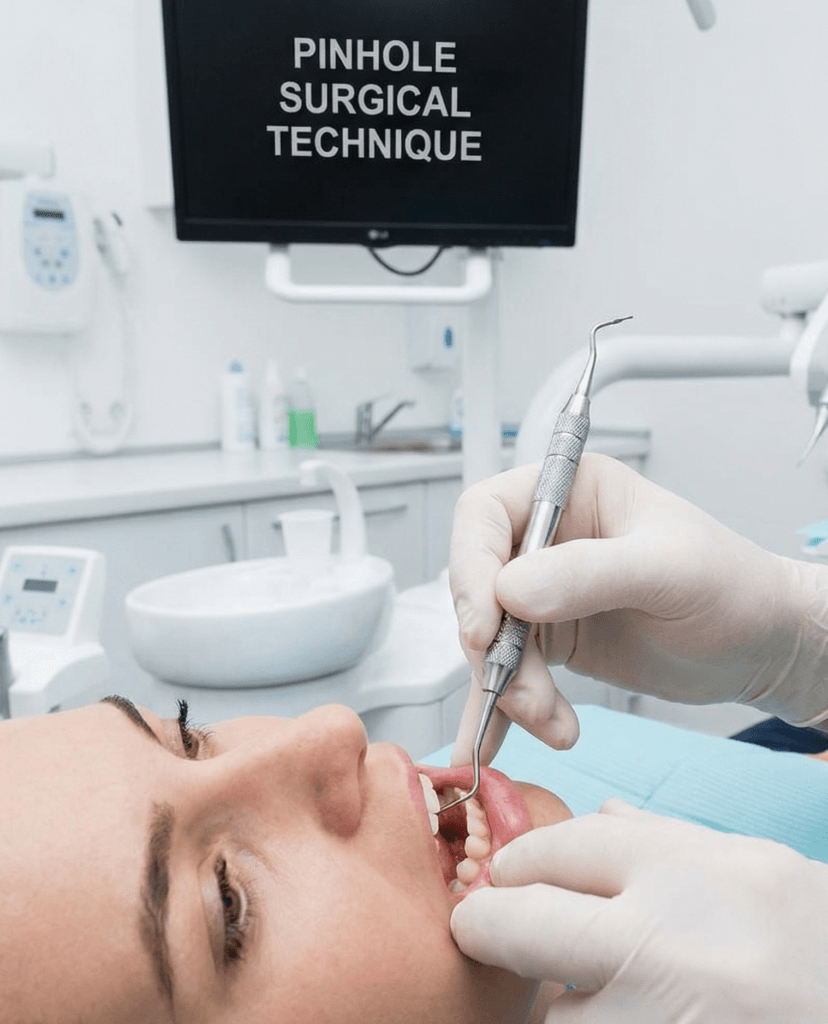
One of the latest and most talked about techniques for receding gums is the Pinhole Surgical Technique (PST). It’s minimally invasive, doesn’t require a scalpel or stitches, and offers instant cosmetic improvement. Here’s how it works:
- This procedure involves making a very small hole in the gum with a needle.
- The dentist uses a special tool to gently loosen and reposition your gum tissue so it covers the exposed root.
- Tiny strips of collagen may be placed through the hole to help the gums stay in their new position and promote healing.
This is a major breakthrough compared to traditional grafting, where tissue from the roof of your mouth is stitched over exposed roots. People who’ve had the Pinhole Technique usually heal quickly, often within days, and see much less swelling or bleeding. It’s great for those who want a solution for receding gums without long recovery or discomfort.
High-Tech Adjuncts to Support Healing and Results
Several new tools and products can help dentists monitor your gum disease and improve your healing outcomes:
- 3D Imaging and Digital Diagnostics: Cone beam CT scans and advanced intraoral cameras help dentists map out jawbone and gum areas in detail, so they know exactly where the problem spots are. This precise mapping makes treatments more successful, especially when planning for regenerative or surgical procedures.
- Salivary Diagnostics: Some offices now use special saliva tests that measure bacteria, genetic markers, or inflammation linked to gum disease. It’s a painless way to check your progress and personalize treatment.
- Low-Level Laser Therapy (LLLT): Besides removing tissue, low-level lasers are sometimes used for their healing effects, stimulating cells and reducing inflammation to promote a faster and more comfortable recovery.
Dentists who invest in these technologies tend to catch problems earlier, treat them more precisely, and tailor their approach to what each individual needs.
Things to Think About Before Deciding on Treatment
No single treatment is for everyone. It’s really important to weigh the pros and cons with your dentist or periodontist, especially if you have additional health concerns or anxiety about dental procedures. Here are a few things I advise patients to ask about before choosing a treatment path:
- Level and Type of Gum Disease: Some advanced techniques work best for certain severities, while others might not be necessary for mild cases.
- Potential Risks and Side Effects: Each treatment comes with its own set of risks, like temporary tooth sensitivity, minor swelling, or, in rare cases, infection. Make sure you understand these ahead of time.
- Cost and Insurance Coverage: Advanced techniques, particularly laser procedures or the Pinhole Technique, can be pricier and aren’t always covered by typical dental insurance. It helps to ask for a detailed estimate.
- Dental Anxiety: If you get nervous at the dentist, mention it. Many offices now offer sedation or soothing environments to make the process less stressful.
How Minimally Invasive Treatments Actually Help Day to Day
After switching to newer treatments, especially laser or pinhole procedures, people often say recovery is much easier than expected. You might not have as much swelling, pain, or diet restrictions as you would with traditional gum surgery. Bleeding tends to be less, and you can usually get back to your regular activities within a couple of days.
It’s also worth noting that by treating gum disease thoroughly and early, you’re doing more than saving your teeth. Research links gum health to conditions like heart disease and diabetes, so staying on top of it helps your overall health too.
Advanced Tips for Protecting Your Gums After Treatment
After any gum procedure, especially one of these newer techniques, you’ll want to look after your mouth more closely. Here are a few things I’ve found super useful:
- Switch to a soft-bristled or electric toothbrush: This helps avoid further gum damage and cleans more gently, especially after recent treatment.
- Use Specialty Mouthwashes: Antimicrobial or prescription-strength rinses can keep bacteria under control while your gums recover.
- Keep Up With Dental Follow-Up Visits: Your dentist or hygienist will want to monitor healing and check for signs of reinfection. These checkups often catch small issues before they become bigger problems again.
- Stay Hydrated and Avoid Tobacco: Both help your gum tissue stay healthy and bounce back more quickly after treatment.
Consistent self-care after treatment can help the results last even longer and lower the risk of relapse.
Frequently Asked Questions
Here are a few questions people often ask about the latest gum disease treatments:
Are laser or pinhole techniques safe for everyone?
Most people tolerate these new treatments really well, but your dentist will check if you’re a good candidate, especially if you have certain health conditions or are taking specific medications.
How long do the results from pinhole or laser treatments last?
Many patients see lasting results for years if they keep up with daily brushing, flossing, and professional cleanings. Still, regular checkups are important to spot any new issues early.
What’s the best way to prevent gum disease after treatment?
Answer: Sticking with good daily habits—brushing, flossing, and using dentist-recommended rinses—makes a big difference. Skipping cleanings can put you at risk for another flare-up.
Wrapping Up
Advances in gum disease treatment now mean less pain, faster recovery, and better results, whether you’re dealing with early gingivitis or more advanced problems like receding gums. By knowing what options are out there (like laser therapy, pinhole surgery, or salivary diagnostics), you’re set to have a good conversation with your dental provider about what will work best for you.
Taking care of your gums today helps you hang onto your natural smile and can give a boost to your overall health long-term. If you’re curious about a specific procedure, ask your dentist; they’ll say it clearly and guide you through your choices so you can feel confident about your care.