
Non-surgical treatments for gum disease have come a long way, giving people better options if they want to avoid invasive procedures. Gum disease, known as periodontal disease, often starts out as gingivitis with redness and swelling, and it can progress to more severe issues like bone loss if not taken care of early. Many folks ask if there’s a way to fix gum problems without having surgery. The encouraging news is that there are several effective non-surgical treatments that can help turn things around and safeguard your oral health.
Understanding Gum Disease and Non-Surgical Options
Periodontal disease is basically an infection of the tissues that support your teeth. In its mild form, gingivitis, you might notice bleeding while brushing, bad breath, or swollen gums. If you don’t address the problem, the infection can dig deeper, affecting the bone and leading to tooth loss over time. Non-surgical treatments are really about removing the bacteria and plaque causing the infection, giving your gums a chance to heal naturally without cutting or stitches.
If you’re dealing with mild or moderate gum disease, you’ve got several good non-surgical choices to try before considering surgery. These usually blend professional dental care and smart things you can do every day at home. Keeping up a solid routine and checking in regularly with your dental professional is extremely important toward reversing early gum problems and keeping your mouth healthy for the long haul.
Top Non-Surgical Gum Disease Treatments
Non-surgical treatment plans are created to halt gum disease, restore oral health, and even reverse early damage. Here are some core treatments your dentist might put out there:
- Professional Dental Cleaning: Regular cleanings at your dentist’s office, sometimes called prophylaxis, help to remove the plaque and tartar you just can’t reach with brushing alone. This process cuts down infection risk, gives your gums time to heal, and leaves your mouth feeling fresh.
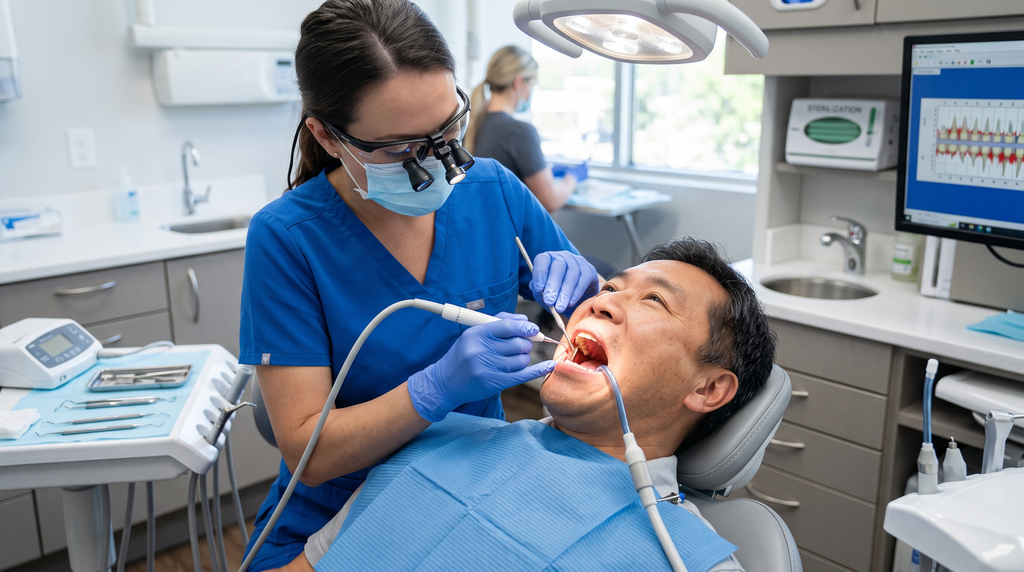
- Scaling and Root Planing: This treatment is a deep cleaning below the gumline. The dental professional uses special tools to clean off tartar from teeth and smooth out rough spots on roots where bacteria love to stick. Smoother roots make it tougher for new bacteria to settle in and cause issues.
- Antibiotic Therapy: In some cases, your dentist might recommend an antimicrobial mouthwash, gels, or even a slow-releasing antibiotic placed directly between your teeth and gums. This strategy supports healing and helps keep infection under control over time.
- Laser Therapy: Some dental offices use lasers to remove bacteria and infected tissue comfortably. Lasers can help shrink gum pockets and encourage faster healing; this is usually added to other non-surgical methods for the best results.
It’s essential to point out that these treatments can be paired together to give your gums the best chance of returning to a healthy state, especially in early to moderate gum disease stages. In serious cases, your dentist may space out treatments over a few appointments for your comfort and the best outcome.
Supporting Your Treatment at Home
Good home care is crucial if you want to repair and maintain healthy gums without surgery. Here’s what you should do every day to give your gums a real boost:
- Brushing Twice Daily: Using a soft-bristled toothbrush and fluoride toothpaste keeps your teeth clean and helps your gums fix themselves. Electric toothbrushes can do an even better job at clearing out plaque, especially from tight areas.
- Flossing Once a Day: Flossing is the way to get between your teeth and keep bacteria from hiding under your gums. If traditional flossing bugs you, floss pickers and water flossers get the job done, making it easy to stick with your routine.
- Antimicrobial Mouthwash: Rinse with an antibacterial mouthwash to help tackle the bacteria that spark gum issues and keep your breath fresh throughout the day.
- Quitting Tobacco: Smoking or using tobacco makes gum disease much tougher to treat. If you want healthy gums, quitting is a smart move that really pays off for your overall health, too.
Additionally, keeping your mouth hydrated by drinking enough water and watching your sugar intake can help limit the growth of bacteria, further supporting the positive effects of your at-home and professional treatments.
What to Expect from Non-Surgical Treatments
Most people notice their gums begin to improve just days or weeks after starting non-surgical treatment, though sometimes it takes a bit longer to see full healing. Less bleeding, reduced swelling, and less sensitivity are usually the first signs things are improving. These early wins are a real confidence boost and a good sign you’re on the right path.
By keeping up with dental visits and routine care at home, it’s entirely possible for these non-surgical methods to help your gums bounce back, especially in the earlier stages of gum disease. For deeper pockets or cases involving bone loss, your dental professional will monitor your healing progress and could suggest stepping up treatment if things aren’t improving as hoped. Often, gum tissues manage to reattach to the teeth, and pocket depths shrink after these kinds of treatments.
Things That Affect Your Results
How well your gums respond to non-surgical treatments depends on a handful of personal factors. Here are some important points to keep in mind as you start your recovery:
- Severity of the Disease: Early-stage gum disease responds best to non-surgical methods. If things have reached advanced periodontitis, you may need additional help to fix everything fully.
- Consistency with Home Care: Staying on top of daily brushing and flossing is your secret weapon for recovery. Skipping days here and there will slow down your progress or even invite the disease back.
- Other Health Conditions: Illnesses like diabetes or immune system disorders might slow healing, but with extra care, most folks can still see big improvements.
- Lifestyle Choices: Eating a healthy diet, managing stress, and skipping tobacco play big roles in boosting your results for healthier gums.
Professional Cleanings and Their Role
Think of professional cleanings as hitting the reset button for your mouth. Even super careful brushers can’t get rid of hard tartar once it forms, so your dental professional uses special tools to get into all those tricky spots. The more regular your cleanings, the more likely your gums will stay in good shape for the long term.
Scaling and Root Planing Explained
During this procedure, the dental team gently clears out plaque, tartar, and bacteria from under the gumline and around the roots of your teeth, then smooths the roots so bacteria can’t find new homes. Most people tolerate this well—a bit of local numbing keeps you comfortable from start to finish.
When Could Surgery Be Needed?
If gum pockets stick around or even get deeper after trying all the best non-surgical options, or if bone loss still moves forward, surgery may be the next option. Dentists do their best to help you turn things around without surgery first, but sometimes extra intervention is what’s needed to get everything fully healthy again.
FAQs About Repairing Gums Without Surgery
People have all sorts of questions about gum disease and how to repair gums without surgery. Here are a few of the most common questions with answers.
Can gums really grow back after treatment?
Gums can heal and reattach to your teeth once the infection is treated, especially in the early periods of gum disease. If your gums have pulled away a lot, though, they probably won’t get back to where they started. Still, keeping the disease from progressing is hugely important for keeping your teeth healthy in the long run.
How long does it take for gums to heal with non-surgical treatments?
You might notice less bleeding and swelling within a week or two of starting treatment, especially if you keep up with your cleaning routine at home. Healing goes on for weeks or even months based on how serious things were at the beginning.
When do I need to see a dentist if my gums bleed?
If you have gums that bleed very often, especially while brushing or flossing, it’s a smart move to ask your dentist instead of waiting. Persistent bleeding usually means there’s some infection there, and getting professional care early solves things before they get worse.
How to Keep Gums Healthy for the Long Haul
Stopping gum disease from returning is really about routine and smart habits. Make your dental checkups and cleanings regular, brush and floss every day, choose healthy foods, and avoid tobacco. Even small changes, like switching to an electric toothbrush or using a water flosser, can make a big difference—especially if you struggle to reach everywhere with standard tools.
If you’re interested in repairing your gums or simply keeping gum disease away, these non-surgical treatments are reliable, convenient, and well supported by dental pros. Talk to your dentist about your best options and stick with good self-care to keep your gums healthy and your smile looking great for years to come.