
The purpose of keeping plaque under control isn’t just for having a brighter smile; it really matters for your long-term oral health. Plaque is a sticky film of bacteria that builds up on your teeth over time. If it’s not removed, it can lead to cavities, gum disease, and even tooth loss.
Sometimes regular brushing alone doesn’t get the job done. If you notice fuzzy teeth, bleeding gums after brushing, or your dentist points out hard-to-reach spots, it’s probably time to check if your plaque-removal tools need an upgrade.
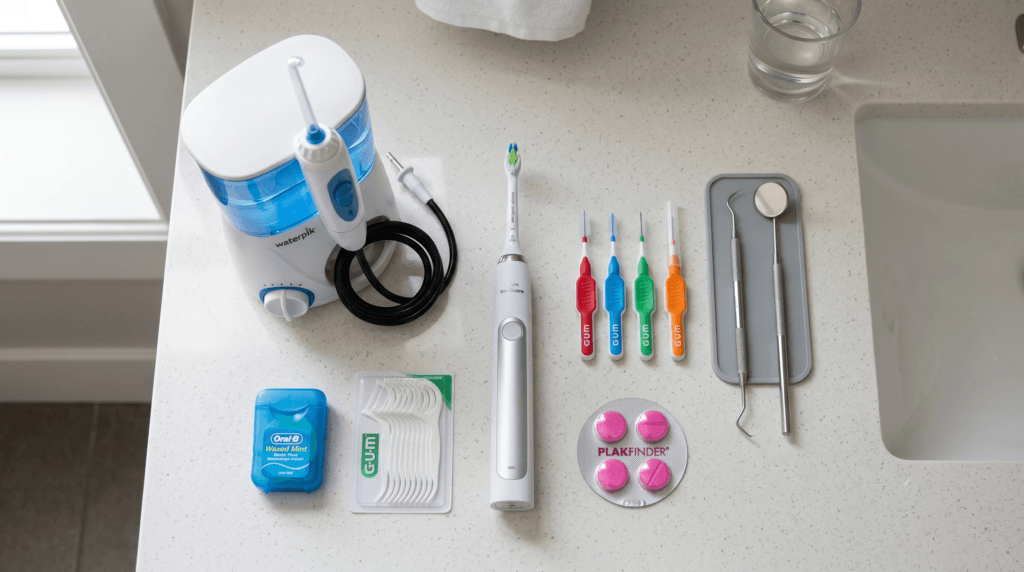
I’ve tested lots of gadgets and brushes over the years, and some make a noticeable difference. Here are the best tools for removing plaque at home, along with tips on picking the right one for you and how to use them.
1. Electric Toothbrushes: More Power, Better Results
Electric toothbrushes are a game changer for plaque removal. I found that they clean way better than manual brushes, especially if you’re not always super thorough. My dentist suggested I use electric rather than manual brushes to regularly clean my teeth. The rapid bristle movements break up sticky plaque that’s tough to get with traditional brushes.
Choosing a Good Electric Toothbrush:
- Oscillating/rotating heads (such as those from Oral-B) scrub more efficiently than simple side-to-side motion.
- Sonic toothbrushes (like Philips Sonicare) use high-frequency vibrations to disrupt plaque, even in tight spots between teeth.
- Timer and pressure sensors are helpful for making sure you brush long enough and gently enough.
Even basic models can do a great job; no need to go for the most expensive one. If you’ve got sensitive gums, soft or “sensitive” brush heads are worth trying. Brushing with an electric toothbrush can step up your oral routine and cut way down on plaque. Plus, most allow you to change out brush heads, so you can always keep things fresh and clean.
2. Interdental Brushes: Clean Between the Gaps
I used to think flossing was the only way to get between teeth, but interdental brushes work great, especially if you have gaps, braces, or dental work. These tiny brush sticks slide between your teeth to clear out trapped plaque and food that string floss might miss.
How to Use Interdental Brushes:
- Pick the right size; snug but not forceful is best. Brands often sell variety packs so you can find your fit.
- Gently insert the brush between each tooth. Twist a bit as you move it in or out, but don’t jam it.
- Wash and reuse until the bristles look worn.
For people with gum recession, bridges, or braces, these brushes make plaque removal much easier and way more effective. If regular flossing isn’t possible or is uncomfortable, mixing in interdental brushes ensures more complete cleaning and can help stop new problems before they start.
3. Dental Floss and Floss Picks: For Tight Spaces
Traditional dental floss is still a solid choice, especially for tightly packed teeth. Floss works by scraping plaque away from spots your toothbrush can’t reach. There are lots of types: waxed, unwaxed, flavored, or tape-style options if you have sensitive gums. Some people even find that dental tape is better for wide contacts, whereas classic floss threads more easily into smaller gaps.
Floss picks are pretty handy if you struggle to use regular floss or want something portable. They’re disposable and can be used on the go, making it easier to keep up good habits. Some floss picks feature textured surfaces or fluoride coatings, which can give a boost to your daily cleaning.
Tips for Effective Flossing:
- Use a fresh section of floss for each tooth.
- Curve the floss around the base of each tooth, sliding gently under the gumline.
- Don’t just snap the floss in and out. Being gentle is key to avoiding damage to the gums.
Even with daily brushing, flossing or using picks is super important if you want to avoid hidden buildup. Try to floss at least once a day, and if you skip a day, don’t stress; just get back into it and keep that plaque from spreading fast.
4. Water Flossers: Jet Away Stubborn Plaque
Water flossers (sometimes called oral irrigators) blast a thin jet of water to flush out plaque and food debris under the gumline and between teeth. I use mine once daily, at night before I go to sleep. It gives a deep clean sensation that toothbrushes and regular floss just can’t match.
Benefits of Water Flossers:
- Gentle on sensitive gums, crowns, or bridges.
- Easy to use for people with braces or dexterity problems.
- Adjustable pressure settings for comfort.
Multiple studies (like those referenced by the American Dental Association) show water flossers can remove plaque and reduce bleeding gums. They’re not a full replacement for brushing, but they’re a great add-on. Water flossers help reach below the gumline and can step up your overall cleaning routine. If you aren’t keen on flossing, this could be the tool that finally gets you consistent. Learn more about water flossers in my blog, Water Flossers’ Benefits For Gums.
5. Plaque Disclosing Tablets: Reveal What You’re Missing
Getting rid of plaque is easier when you can actually see it. Plaque disclosing tablets are little chewable tablets that temporarily dye plaque a bright color, usually red or blue, so you can spot the areas you skip.
I like to use these every few weeks as a gut check. You just chew, rinse, and look in the mirror. Anywhere that’s colored is where you need to pay more attention. Keeping track of where you miss helps you step up your daily cleaning over time.
They’re safe for both kids and adults. If you’re teaching kids good brushing, use this method with these tablets; it really helps them build solid routines. It can boost motivation for both kids and adults to see results and improve gradually.
6. Dental Scalers: For the Avid DIYer (With Caution!)
Dental scalers are stainless steel tools with a pointed end for scraping away visible plaque and tartar. Some people feel comfortable using them at home, but using these tools safely takes patience and a gentle touch. It’s easy to injure gums or scratch enamel if you go too hard.
If you notice a hard, yellowish spot that won’t budge with brushing or flossing, sometimes a dental scaler can help. Disinfect the tool first, work under bright lighting, and only use gentle scraping motions. If you’re unsure or have a lot of buildup, though, it’s safer to get a professional cleaning.
Remember, expert dental care is still the gold standard when tackling deep plaque or tartar problems. It is strongly recommended; if you are not sure about scaling it yourself without damaging your gums, please leave it to the dental professionals. It can be tricky and unsafe if not done carefully. The professionals have the education and training to do this procedure.
7. Mouthwashes for Plaque Control
While mouthwash alone won’t physically remove plaque, some formulas help loosen plaque and reduce bacteria in your mouth. Look for rinses with antibacterial agents like cetylpyridinium chloride or essential oils (like Listerine) for an extra boost to your routine. They fit easily into your routine and leave your mouth feeling refreshed.
A quick swish after brushing and flossing can help keep your mouth feeling fresh and give you a little extra backup. Remember, mouthwash isn’t a substitute for brushing and flossing, but it can knock out some bacteria and give you some added confidence.
How to Pick Your Ideal Plaque Removal Tools
What works best for me might not be your favorite; oral care is personal. If you have braces, crowded teeth, receding gums, or sensitive spots, you might need to try a couple different options to see what gets you the best results.
- If you want something easy and effective: Electric toothbrush and floss picks are usually a good starting point.
- If you’re dealing with gum issues or dental appliances: Water flossers and interdental brushes can be your best option.
- For kids or people building new habits: Disclosing tablets and simple floss picks work well for teaching and convenience.
Ask your dentist or hygienist for tips tailored to your unique mouth shape and dental work. They often know which tool works best for your situation, so don’t be afraid to ask for their advice. Dental professionals want to help you keep your mouth healthy between visits.
How to Use These Tools for Best Results
- Brush twice a day with an electric or manual toothbrush (2 minutes each time).
- Clean between teeth daily with floss, interdental brushes, or a water flosser.
- Check your technique with a disclosing tablet every once in a while.
- Schedule regular professional cleanings to catch any buildup you’ve missed.
- If you have a new tool, give it a fair try for a week or two so you can really measure its impact.
Combining the right tools and routines helps prevent plaque from causing bigger problems down the road. It just feels better stepping out the door with a fresh, clean mouth every day. Staying on top of plaque removal is one of the best things you can do for lifelong dental health and confidence.
My Final Thoughts
There’s no single tool that’s perfect for everyone. The best routine is the one you can actually stick with. Mix and match these plaque removal tools long enough to see what feels right and gets results. Your mouth (and wallet) will thank you over time! Keep experimenting until you find what makes your mouth feel its cleanest, and let your dentist know what you’re using so they can suggest tweaks along the way. Wrap up: with a few smart tools and steady habits, you can keep plaque at bay and enjoy a healthy smile for more years to come.