
Figuring out if a water flosser is better than traditional dental floss is a pretty common question these days. More people are looking for easier ways to keep their teeth clean, so it’s no surprise that gadgets like water flossers, sometimes called oral irrigators or “Waterpiks,” have become so popular. I’ve tried both and heard plenty of stories from people I know and dentists, so I’ll help you make sense of the pros and cons and what actually works best for most people.
Understanding Water Flossers and Dental Floss
Water flossers and dental floss both claim to get between your teeth and clean out the gunk that a regular toothbrush just can’t reach. But these two options are totally different in how they work.
Dental Floss: Standard dental floss is a thin string, often made of nylon or Teflon, that you physically slide between teeth by hand. It scrapes off food, plaque, and bacteria using a back-and-forth motion. Flossing with string has been recommended for decades and is widely backed by dentists and dental health organizations.
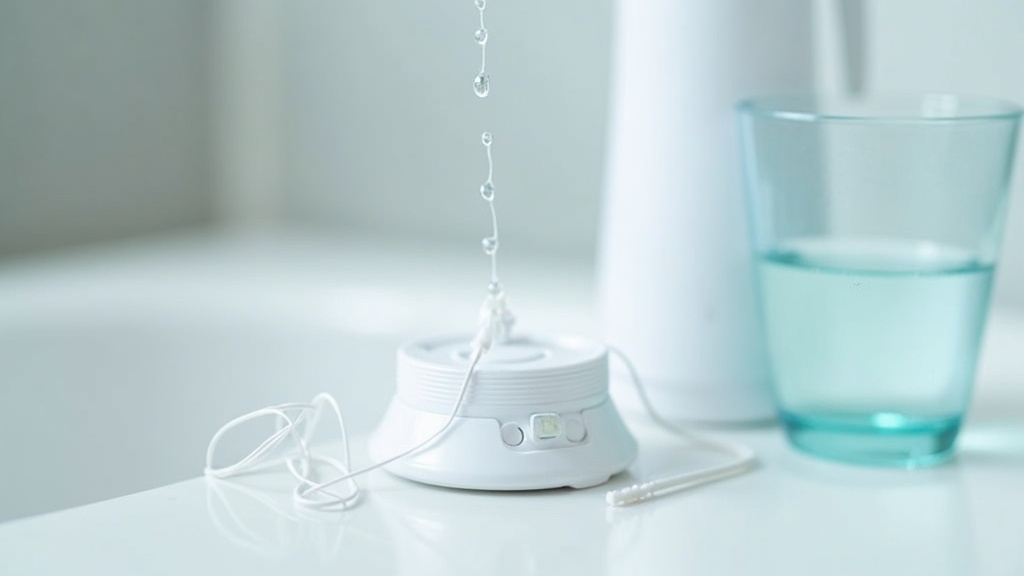
Water Flosser: A water flosser is a handheld device that shoots a thin, pressurized stream of water between your teeth and along the gum line. It’s great for rinsing out debris and massaging the gums. Some models let you adjust the pressure, which can be nice if you have sensitive gums or dental work, like braces or crowns. Brands like Waterpik, which I have, are the most well-known, but there are lots of others on the market now.
Which Cleans Better: Water Flosser or Dental Floss?
This is the big question everyone wants answered. Both water flossers and string floss are good for oral hygiene, but each has its strengths.
There’s plenty of research on this topic, and what I’ve noticed is that regular string floss tends to remove more sticky plaque between the teeth. The scraping motion physically takes out stuff stuck on the tooth, including bacteria that lead to cavities or gum disease.
Water flossers, though, do a great job flushing out loose food particles and are really good at cleaning around orthodontic appliances like braces or permanent retainers and dental implants. A 2019 meta-analysis from the Journal of Clinical Dentistry found water flossers reduce bleeding gums and gingivitis more than brushing alone and actually perform a bit better than string floss for gum health in people who have trouble flossing properly (Canadian Dental Association).
I’d say string floss is super effective for most people, but water flossers are a solid choice if you struggle getting the floss between tight teeth or if you have crowns, bridges, or sensitive gums. Some dentists even suggest a combo: water flosser first, floss second, for a deeper clean.
What About Plaque? Do Water Flossers Actually Remove It?
Many people wonder if water flossers can blast away hard plaque. While water flossers can remove soft, loose deposits (like food bits and soft plaque), they usually won’t get rid of hardened tartar (also called calculus). Once plaque has hardened, only a dental cleaning will take it off.
Water flossers are pretty handy for regular maintenance, though. If you use them daily, they help prevent soft plaque from sitting around and turning into tartar, which is a nice advantage. They can give a boost to your daily care routine.
Should You Use Both a Water Flosser and Dental Floss?
If you want the most thorough clean and your gums are important to you, using both tools can be helpful. For example, a water flosser is perfect if you have braces, big gaps, or dental implants, because it rinses around wires and under bridges where floss just can’t reach. Floss, on the other hand, excels at hugging those tight spaces and scraping stuff off the tooth that water alone might not move.
I know some people, like my father, who use a water flosser as their “everyday” cleaning method, then floss every few days to make sure nothing’s hiding out between teeth. Some even use both daily, especially if their dentists recommend it. The bottom line is, it’s not always an either/or situation; it comes down to your comfort, dexterity, and dental needs.
Benefits of Water Flossers
- Easy to use: Especially for people with arthritis, braces, or limited hand mobility.
- Gentle on gums: Most models let you dial down the water pressure for sensitive mouths.
- Encourages consistency: Some folks water floss more regularly because it feels easier (and kind of fun) to use a gadget.
- Helps with certain dental devices: Bridges, implants, and braces are much easier to clean.
Check out more benefits about water flossers by reading my last post Water Flossers’ Benefits For Gums
Downsides of Water Flossers
- Pricey: Water flossers cost significantly more up front, and you have to replace parts like tips.
- Not as effective at scraping: They wash away food and soft plaque but don’t “scrape” the tooth surface like string floss.
- More counter space: You need a power outlet and a bit of room in the bathroom.
- Needs refilling: Most need to be filled with water before each use, which is one more step.
- Often Needs Charging: Every so often you will need to put your water flosser on charge. So you may need to skip the thorough clean method and only use string floss.
Using a Water Flosser Every Day: Is It Safe?
Daily water flosser use is considered safe for most people. Actually, regular use helps keep the gums healthier by removing trapped food debris and bacteria before they can cause irritation or bad breath. If the pressure feels too strong, it’s a good idea to use the gentlest setting or check with a dentist. Some people with sensitive gums or gum disease find daily use calming and almost therapeutic. As always, if you notice bleeding or pain that doesn’t go away, it’s smart to talk to your dentist.
Choosing the Right Flossing Option for You
Picking between water flossers and regular floss depends on your habits, dental health, and what your dentist or hygienist suggests. Here are some things to think about:
- If you’re good with using string floss and have healthy gums, dental floss may cover your needs.
- If your teeth are too close together, you have braces, or flossing just feels like a struggle, a water flosser is definitely worth checking out.
- People with dexterity issues or young kids often find a water flosser more doable.
- Ask your dentist or dental hygienist for feedback; they examine your teeth regularly and know what will help most.
Either way, consistency is key. Whichever tool you like and will actually use daily is a smart choice. Don’t be afraid to mix in some variety in your routine if it helps you keep up with daily hygiene.
Frequently Asked Questions
Everyone’s got questions when choosing between water flossers and string floss. Here are the ones I hear most often:
Are water flossers as effective as floss?
Water flossers are very good at removing loose debris, and they help reduce bleeding gums and inflammation. String floss usually removes more sticky plaque. If you have trouble flossing, a water flosser is a strong alternative and sometimes works better than flossing poorly or not at all.
Should I still use regular floss if I use a water flosser?
Many dentists suggest using both for the best results, but if you find flossing really tough, a water flosser is way better than skipping flossing altogether. Floss still does a better job in tight spots, so try to use it if you can.
Do water flossers actually remove hard plaque?
Nope. Once plaque hardens into tartar, only a dental cleaning can remove it. Water flossers help prevent plaque from getting to that point but can’t take off existing hard buildup.
Can a Waterpik completely replace flossing?
It depends. For some people (like those with braces or limited dexterity), a Waterpik might work better than flossing they struggle with. For others, especially those with healthy gums and tight teeth, classic flossing still gives the deepest clean. Sometimes, using both is the way to go.
Is it safe to use a water flosser every day?
Yes, most people, like myself, can use a water flosser every day without problems. If you have sensitive gums, start with a gentle setting. If you ever notice ongoing pain or bleeding, check in with your dental professional.
Real-World Examples and Experiences
As someone who’s bounced between both tools, I’ve noticed water flossers make cleaning around my dental work so much easier. Friends with braces swear by them; traditional floss is just about impossible with wires running everywhere. One thing I recommend is making flossing a routine, just like brushing, and sticking with whatever actually fits your lifestyle.
- People with dental crowns or bridges: A water flosser can rinse out areas floss just can’t reach underneath.
- Busy parents and kids: The novelty and ease of a water flosser gets kids to clean their teeth when string floss fails.
- Seniors and folks with arthritis: Big, easy-to-handle water flosser handles can be a game changer.
Careful research and honest feedback from your dentist always pay off. Whether you stick to floss or try a new gadget, daily cleaning between your teeth is super important for keeping your mouth healthy and your breath fresh. If you want to check out studies or product recommendations, the American Dental Association is a trustworthy source for your dental information.
Picking a flossing method should be about what actually helps you stick to a daily habit and keeps your mouth feeling clean. Both options have a place in good oral hygiene, so don’t hesitate to mix it up until you find what works for you!