
If you’re trying to step up your oral care game, you might be stuck deciding between using mouthwash or investing in a water flosser. Both have strong reputations for giving a boost to dental cleanliness, but they’re pretty different in how they work. I always use both once per day for my oral care since I have periodontitis. With all the oral hygiene ads out there, knowing which one actually fits your daily routine and delivers real results matters.
Mouthwash is super easy—you just rinse and spit—while water flossers use a gentle stream to blast away stubborn food and plaque. Each method has its strengths and quirks, and not everyone needs both. Here’s my super detailed look at what sets mouthwash apart from a water flosser, how they actually perform, and what you really need to know when choosing what’s best for your teeth and gums.
Quick Overview of Both Options
What Is Mouthwash?
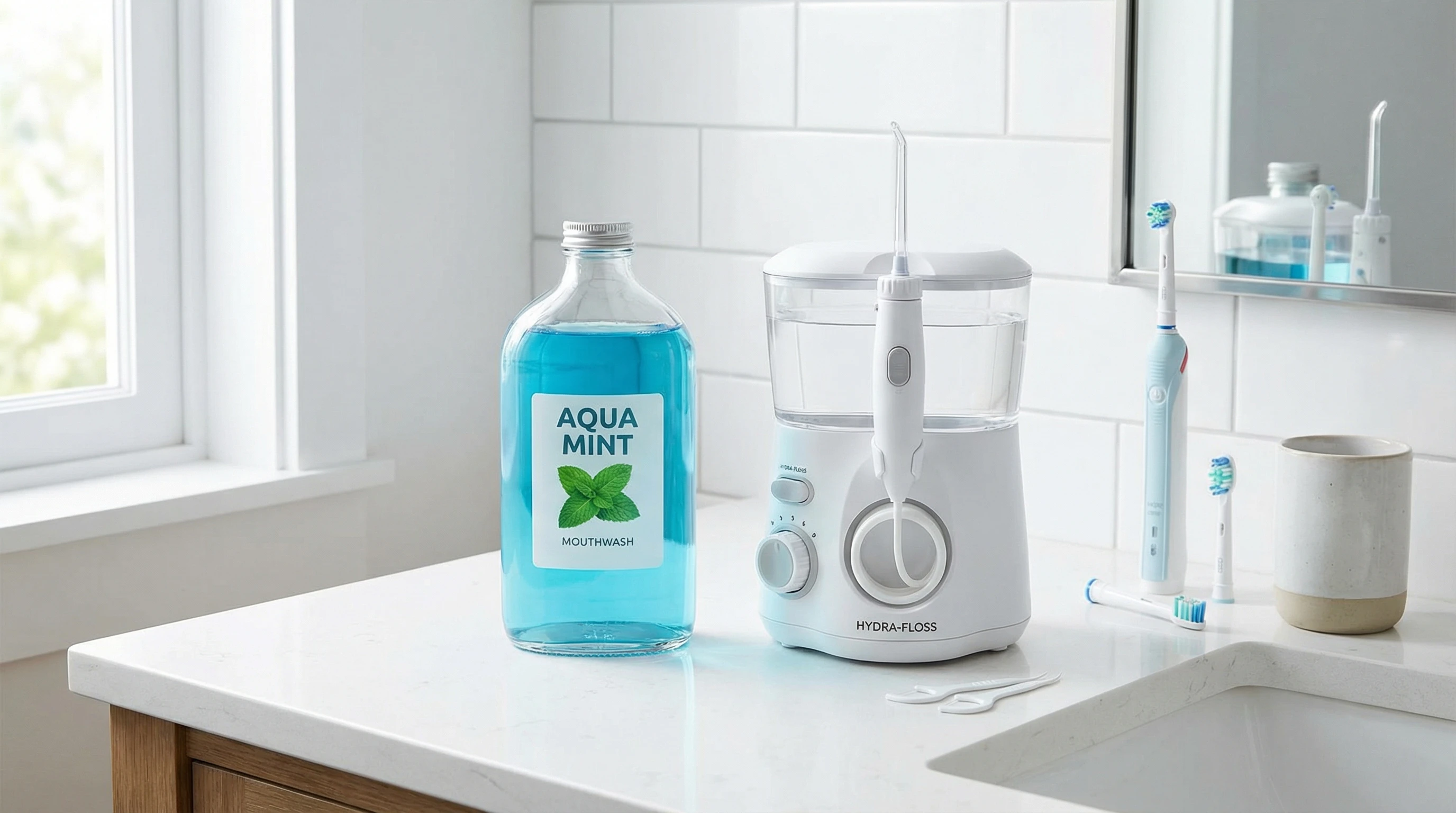
Mouthwash is a liquid solution designed for rinsing your mouth. The main goal is to reduce bacteria, freshen breath, and, sometimes, deliver extra fluoride for added protection. There are different types, including cosmetic ones for bad breath and therapeutic washes that target bacteria or strengthen enamel. Most mouthwashes are available over the counter. Swish, gargle, spit—done in less than a minute.
Who Usually Prefers Mouthwash?
- People who want a quick, fuss-free addition to brushing
- Folks fighting persistent bad breath
- Those looking for an easy fluoride boost
Mouthwash Pros & Cons
Pros:
- Really easy to use
- Helps kill bacteria that cause bad breath
- Good for reaching spots your toothbrush might miss
- Therapeutic kinds can help with gum health or sensitivity
Cons:
- Doesn’t physically remove stuck food or plaque
- Some types have alcohol, which might dry out your mouth
- Heavily flavored or colored rinses can be irritating for some people
What Is a Water Flosser?
A water flosser is an electric or battery-powered device that sprays a thin, pressurized stream of water between your teeth and along your gum line. It’s designed to flush out food particles and disrupt plaque, imitating what traditional string floss does but with water. Popular models like Waterpik and Philips Sonicare are known for being easy on sensitive gums and braces.
Who Usually Uses Water Flossers?
- People who struggle with standard floss or have braces, bridges, or implants
- Anyone with sensitive gums that bleed with string floss
- Those who want a gadget-driven approach to oral care
Water Flosser Pros & Cons
Pros:
- Removes stuck food and plaque more thoroughly than mouthwash
- Gentle on gums; great for people with dental work
- Feels refreshing and can be kind of fun to use
Cons:
- More expensive upfront than mouthwash
- Takes up some counter space and needs regular cleaning
- Needs a charger or batteries
Key Comparison Points Chart
| Factor | Why It’s Important | Mouthwash | Water Flosser | Which Works Better? |
|---|---|---|---|---|
| Cleaning Power | The main goal is a cleaner mouth | Kills bacteria and freshens breath, but does not remove food particles or loosen sticky plaque | Uses targeted water pressure to flush out food debris and remove light plaque between teeth | Water flosser for a deeper clean between teeth |
| Ease of Use & Convenience | Routines only work if they’re easy to follow | Very simple—swish, rinse, done. No setup required | Requires refilling, cleaning, and sometimes electricity; can be splashy or noisy | Mouthwash is more convenient, especially on busy mornings |
| Gum Health | Healthy gums are just as important as healthy teeth | Therapeutic formulas can reduce gingivitis and calm inflammation | Highly effective at reducing bleeding and gum disease, especially for sensitive gums or orthodontic work | A water flosser for focused gum care; mouthwash helps with the right ingredients |
| Cost Over Time | Oral care should fit your budget | Low cost per bottle, but requires ongoing purchases | Higher upfront cost ($40–$100), but minimal ongoing expenses | Mouthwash short-term; water flosser evens out over time |
| Suitability for Dental Work | Braces, implants, and bridges need special care | Safe to use, but doesn’t replace flossing around appliances | Excellent for cleaning around braces, implants, and bridges | A water flosser is best for complex dental work |
User Experiences & Reputation
- Mouthwash: People love it for fresh breath and a simple habit, but some say it can’t cut through heavy plaque or food stuck between teeth. Alcohol-based rinses sometimes get called out for causing dry mouth.
- Water Flosser: Users often find it a gamechanger for braces and sensitive gums. Cleaning does take an extra minute, and there can be a learning curve for first-timers, but many say it gives a boost to their confidence in how clean their teeth feel.
General Reputation: Water flossers have a stronger rep for cleaning power, while mouthwash has a loyal following for everyday freshness and no-fuss routines.
Which Should You Choose?
Both mouthwash and water flossers play an effective role in keeping your mouth healthy. You don’t always need to pick just one; people use both for a more balanced routine, like I do. Here’s what I’d recommend based on your needs:
Try mouthwash if you:
- Prefer quick, low-effort routines
- Are looking to manage bad breath or want a fluoride boost
- Hate dealing with gadgets or extra bathroom clutter
Go for a water flosser if you:
- Struggle with standard floss or have braces, implants, or bridges
- Want a deeper clean between your teeth and under the gum line
- Are ready to spend a few minutes extra on your oral routine
Both options can help you keep your mouth fresh and healthy, just in different ways. The best routine is the one you’ll actually stick with each day.
If you’ve tried both, what worked better for you? Feel free to share your experience below!