
Gum disease, also called periodontal disease, is surprisingly common. It can start out pretty mild, like bleeding or swollen gums when brushing, but can turn into a bigger problem if it’s ignored. In the past, most treatments felt a little old school, relying heavily on deep cleanings and, for advanced cases, surgery. Now, there’s a wave of fresh ideas changing how gum disease gets managed, making it more comfortable and, just as important, way more effective for better gum health over time.
How Gum Disease Treatments Are Leveling Up
For years, treating gum disease was pretty straightforward: lots of scraping, deep cleaning, and even surgery for advanced cases. Gum care is improving now with better innovations. The newer approaches are less invasive, come with faster recovery, and aim to stop gum disease before it gets out of hand.
One thing I’ve noticed is how much research has pushed for earlier intervention. That means spotting gum issues quickly, often using digital scans and new diagnostic tools. The market for dental tech is booming, worth billions globally, and a lot of these fresh ideas are showing up right in regular dental offices. It’s making high-end care way more accessible for anyone who wants to keep their gums in good shape without the old-school anxiety.
If you’re worried about your gums, you’re definitely not alone. According to the CDC, almost half of adults over 30 show some signs of gum disease. That’s a huge chunk of the population, and these new treatments are focused on stopping those numbers from growing.
Getting to Know the Latest Gum Disease Treatments
The newest treatments do more than just clean your teeth with a slightly deeper approach. They use advanced tech and smart materials to target bacteria, support healing, and help regenerate gum tissue. Here’s a look at what’s on the cutting edge right now:
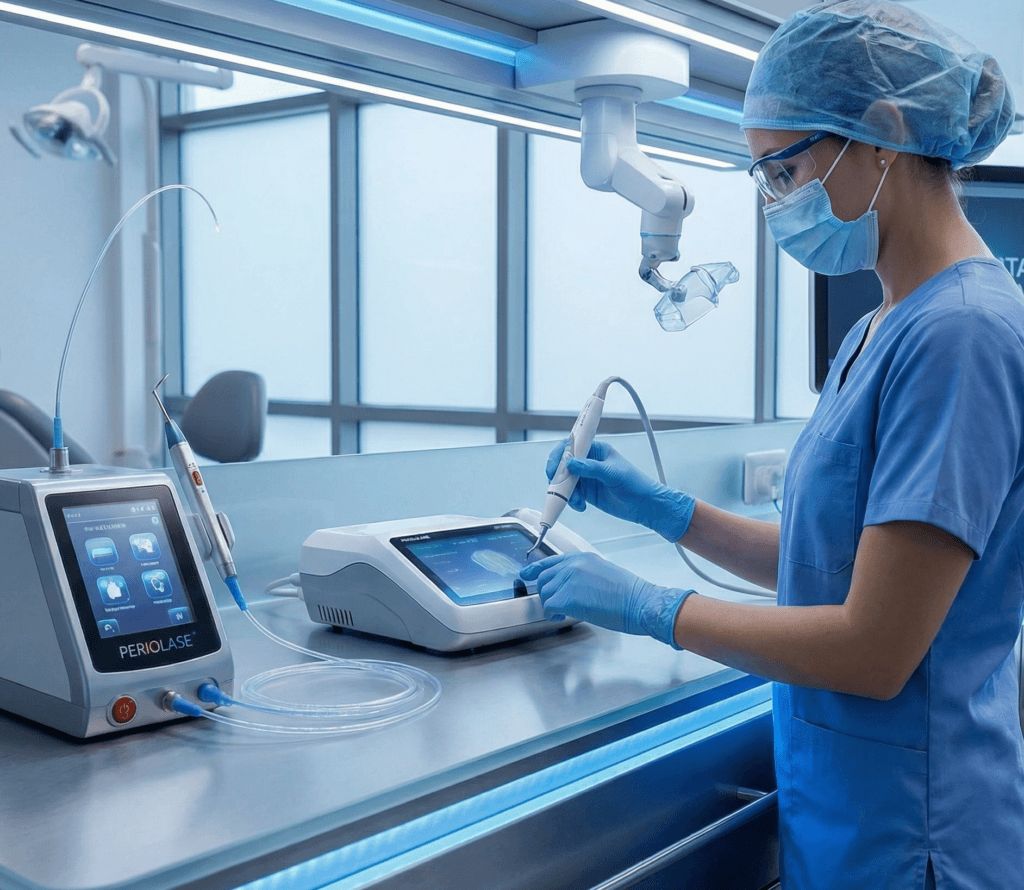
- Laser Therapy: Instead of scraping, dental lasers remove diseased tissue and kill bacteria around the gums. The process is far less painful than old methods and can even help the gums heal faster. Lasers in dentistry are showing great promise, especially for people worried about post-treatment soreness.
- Antimicrobial Gel and Rinses: Prescription gels and powerful mouthwashes target bacteria directly, sometimes using nanotechnology to make them more effective. Instead of just masking symptoms, these treatments get at the root of infection.
- Guided Tissue Regeneration: This idea uses special membranes or biocompatible materials that help rebuild gum and bone tissue lost to disease. Dentists place these in the affected area after cleaning to guide natural tissue to grow back where it’s needed most.
- Biologics and Growth Factors: These treatments use concentrated proteins (sometimes extracted from the patient) that jump-start healing. For tough cases, this makes a real difference by helping tissue stick to the teeth again and dramatically lowering the risk of tooth loss.
- Microbial DNA Testing: By testing bacteria types right in your mouth, dental teams can personalize your treatment. Instead of a one-size-fits-all approach, you get a plan based on your unique microbial profile. That’s pretty high-tech and super useful for harder-to-treat cases.
Step-by-Step: Treating Gum Disease with Modern Tech
Understanding how these fresh ideas fit together can make the whole process a lot less intimidating. A typical advanced approach to treating the gum disease process is as follows:
- Digital Assessment: Dentists use digital scanners or 3D imaging to map your gums, measure pocket depth around the teeth, and spot any areas losing bone. This is way more accurate than old “probe and guess” methods.
- Bacterial Testing: If the situation looks serious, you might have a microbial DNA swab. This helps the dentist find out which bacteria are present and pick the best antibiotic or rinse.
- Nonsurgical Cleaning: Gentle ultrasonic scalers or lasers get rid of stubborn plaque and tartar deep under your gumline. If you’re nervous about pain, you’ll appreciate this step. Tech has made it much more comfortable and precise.
- Targeted Medication: Prescription gels or tiny antibiotic chips can be placed between the teeth and gums to keep bacteria away while healing happens.
- Regenerative Treatments: If bone or gum tissue has been lost, your dentist might place a biocompatible membrane or growth factor substance to support new tissue growth.
- Ongoing Monitoring: Follow-up visits use the same digital tech to see how well you’re healing. Dentists might adjust your plan as your gums recover, making it way more personalized.
In many cases, all these steps can work together for a pretty impressive turnaround. Even folks who thought their gum problems were too advanced might see results.
Questions to Ask Before Starting Treatment
Every mouth is different, so it’s never a bad idea to have a few questions ready for your dental team. Some topics worth checking out:
- Which treatments do you offer: laser, regenerative, DNA testing, or just traditional cleanings?
- Are there side effects with any of the new therapies?
- If I have bone loss, what options exist to help restore it?
- How often will I need checkups or maintenance visits with this new care?
- Do you work with insurance or financing for advanced gum treatments?
Comparing Traditional and Newer Gum Disease Treatments
It’s easy to see why newer options catch people’s eyes. Comparing the two styles side by side:
- Traditional: Scaling and root planing, manual cleaning instruments, surgery for severe cases, longer recovery times.
- Fresh Ideas: Lasers, antimicrobial gels, DNA-based personalization, regenerative therapy, less discomfort, and faster healing. Many people can avoid surgery completely now.
Pro Tips for Keeping Gums Healthy After Treatment
Advanced treatments are only half the story; what you do at home really matters too. I’ve gathered some pro tips that dentists recommend for lasting gum health after treatment:
- Try electric toothbrushes with soft bristles—they’re better at removing plaque without hurting sensitive gums.
- Floss or use interdental brushes every day. Water flossers are another awesome option for getting between teeth.
- Stick with any antimicrobial rinses or medicated gels your dentist prescribes after major treatment.
- Book cleanings every 3 to 4 months during recovery, then follow your dentist’s schedule for regular visits.
- If you’re a smoker, this is a good time to ask about quitting; recovery is much slower for people who smoke.
On top of these steps, pay attention to your gums for any changes—bleeding, swelling, or new discomfort—and check in with your dentist if you notice anything off.
The Latest Innovations Coming in 2026
Dental research never ceases to exist, and several new treatments are starting to show up in advanced dental offices and research clinics, especially for severe periodontitis (advanced gum disease). Here’s what’s on the radar:
- 3D Bioprinting: Some researchers are testing high-tech printers to create scaffolds that help new gum and bone tissue grow in repairs that once needed surgery. This isn’t widely available yet, but things are moving quickly.
- Smart Wearables: Mouth guards or dental inserts that track inflammation and send updates to a phone app, alerting you to hidden gum problems before they flare up. Early models are getting good reviews for home monitoring.
- Personalized Probiotics: Future treatments might involve a custom probiotic mix you swish with daily to keep “bad” bacteria in check and support healing.
- Gene-Targeted Therapies: For severe and stubborn cases, scientists are working on medications that target inflammation at the genetic level, which could mean more predictable results and less relapse.
Careful research helps both dentists and patients decide which new tools or treatments make the most sense for each case. As these 2026 ideas hit more offices, expect even better options if you’re facing a tough gum situation.
Common Questions About Gum Disease Treatment
What is the new treatment for gum disease?
Laser-based therapy and guided tissue regeneration are leading the newest wave of gum disease treatments. Laser dentistry gently removes diseased tissue and bacteria, while regenerative materials or growth factors help rebuild lost gum and bone. These approaches come with less pain and faster recovery compared to traditional methods.
What is the most effective treatment for gum disease?
The most effective treatment depends on how advanced the disease is. For mild gum disease (gingivitis), professional cleaning combined with good home care is usually all it takes. For deeper gum issues, a blend of laser therapy, targeted antimicrobials, and regenerative techniques is proving really effective.
What is the new treatment for severe periodontal disease in 2026?
In 2026, clinics are starting to use 3D bioprinting, personalized probiotics, and gene-targeted treatments for difficult cases. Some patients are also trying smart wearables to keep tabs on gum inflammation from home. These options focus on tissue regeneration and better long-term control for even severe gum disease.
Better Gum Health Starts Now
Innovations in gum disease treatment are changing what it means to keep your gums healthy. From lasers and digital diagnostics to the promise of bioprinting, people now have more choices for tackling gum issues head-on. Regular dental visits, honest chats with your dentist about new therapies, and keeping up smart home habits all work together for much healthier gums. The future looks bright for gum health, and this is really the best time to get care that works best for you.